Independent · no airline, airport or operator behind it
Every South African airport, properly explained
Parking, lounges, arrivals and the walk between terminals. Visas, customs allowances and the Gautrain. And the passenger numbers behind all twenty-two airports, read out of the operator’s own monthly filings rather than copied from a press release.
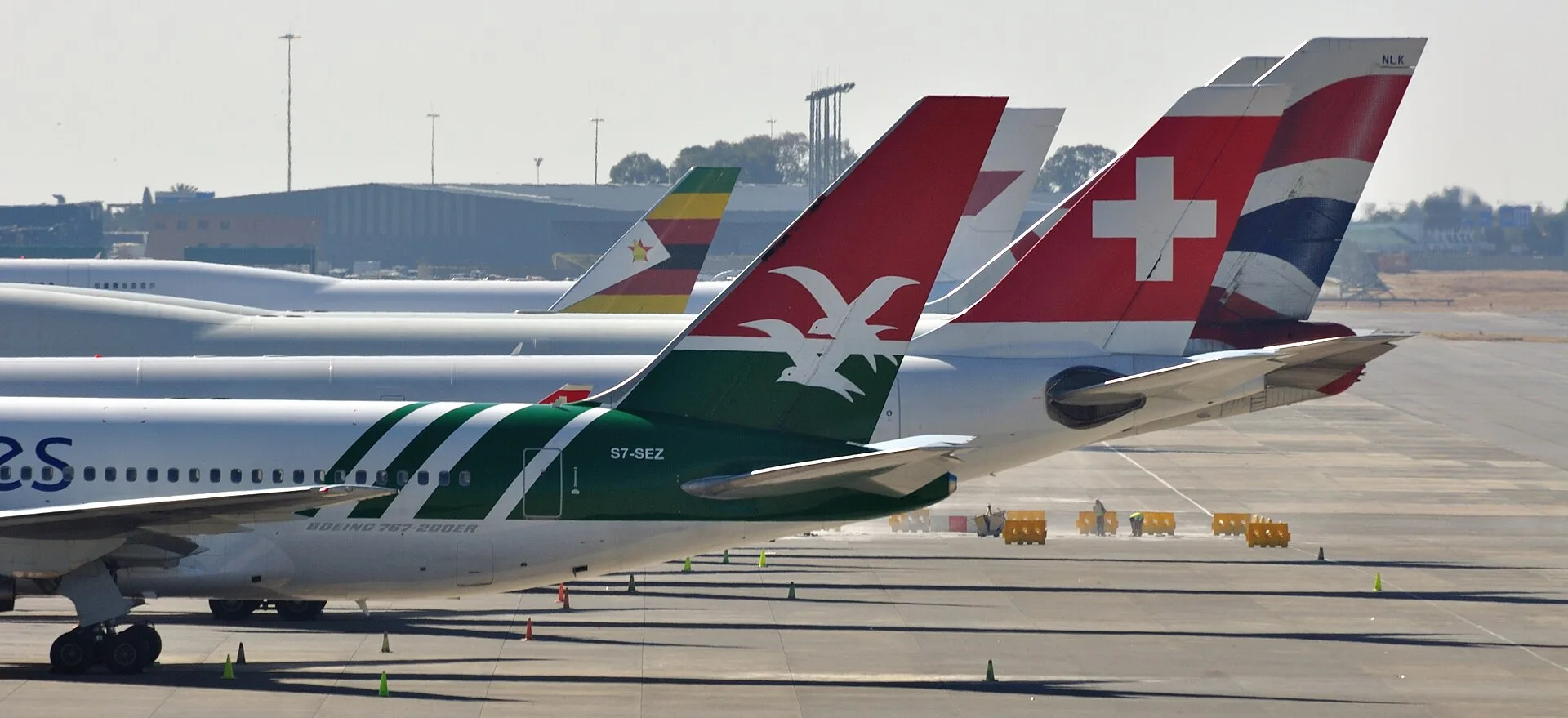
Photo: Hansueli Krapf, Wikimedia Commons (CC BY-SA 3.0)

01 The airports
Three airports carry nine in ten passengers
South Africa has twenty-two airports with scheduled flights, and almost all of the traffic goes through three of them. If you are flying into the country, it is O. R. Tambo in Johannesburg or Cape Town International; King Shaka in Durban takes a distant third.
JNBBusiest in Africa
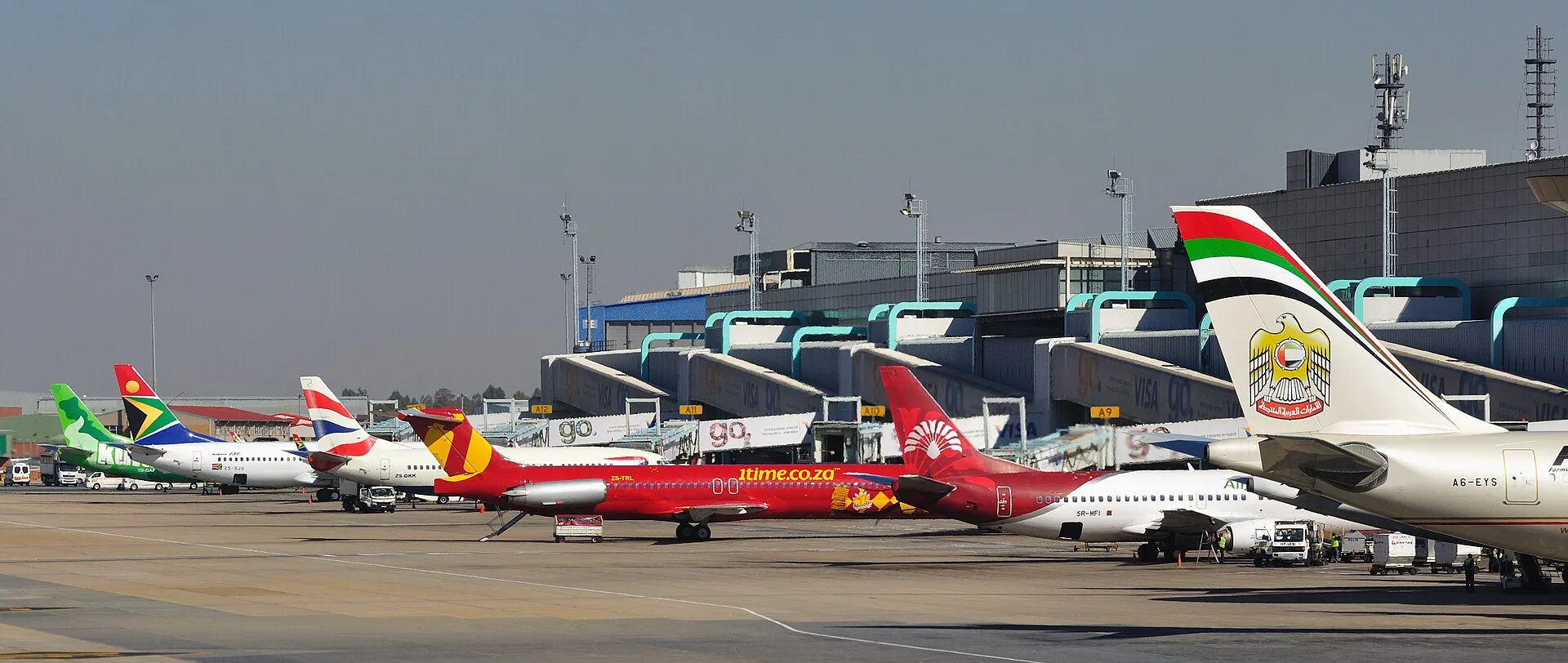
O. R. Tambo
Johannesburg, Gauteng
The continent's main long-haul interchange, and the only South African airport with a rail link into the city. Two terminals under one roof, eight to ten minutes' walk apart, and the only one of the nine where more than a third of passengers are international.
FY2025/2620,083,399
CPTFastest growing
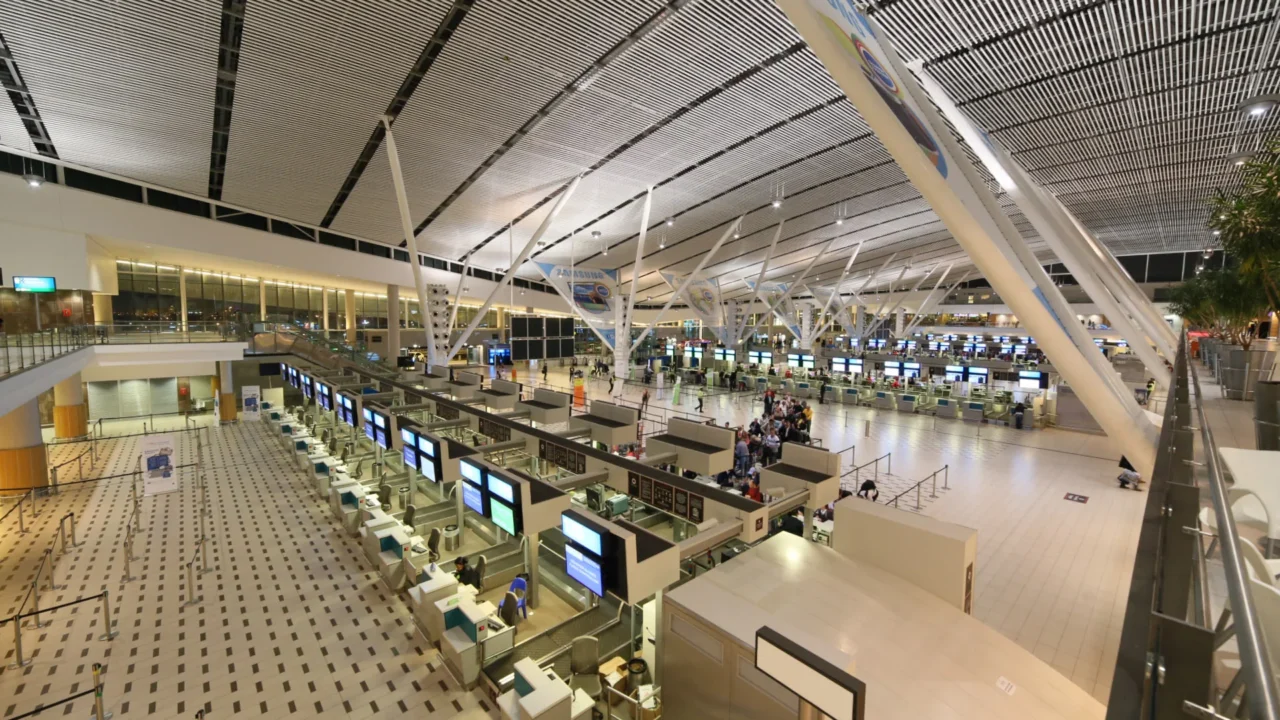
Cape Town
Cape Town, Western Cape
One terminal, two piers, and the shortest connections in the country.
FY2025/2611,333,736
DURBuilt with room to grow
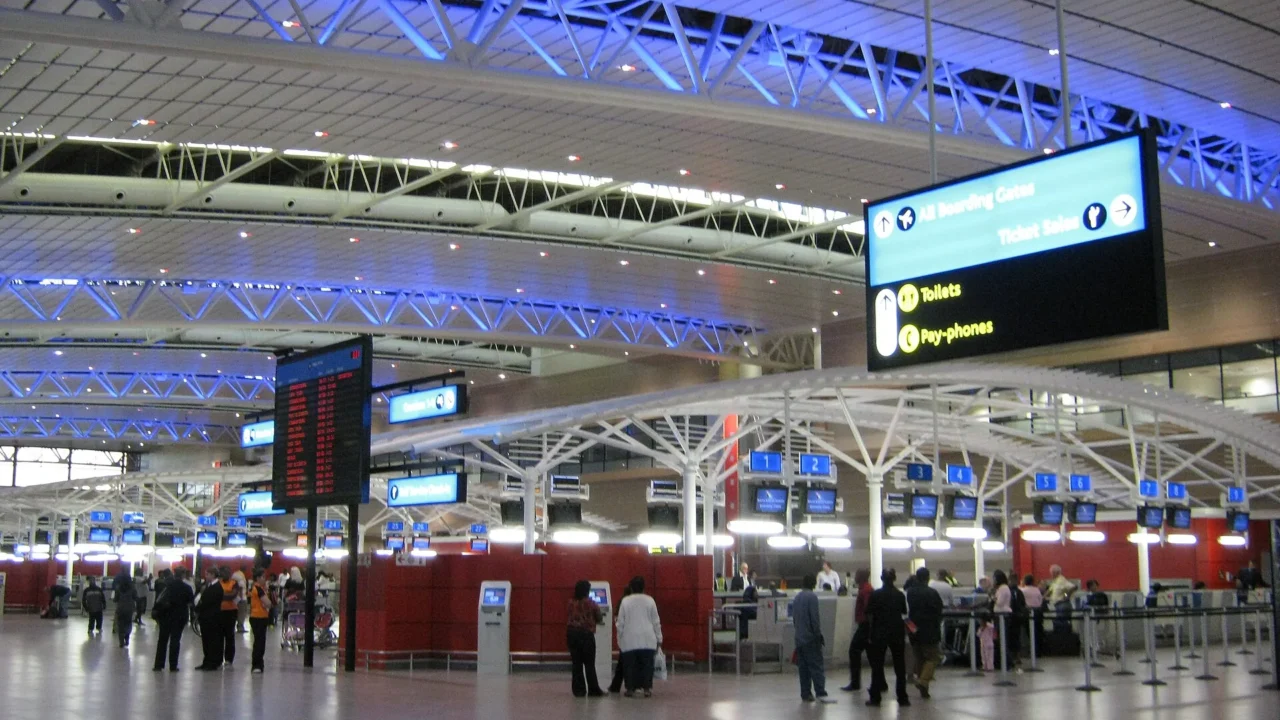
King Shaka
Durban, KwaZulu-Natal
Opened in 2010 and overwhelmingly domestic: barely one passenger in twenty flies international.
FY2025/265,616,199
02 Quick answers
What travellers actually look up
Not what an airport press office would like you to read. These are the sixteen subjects people search for about South African airports, in the order of how many different ways they ask about them. Every one is answered below.
- Visas & entryWho needs one, who does not, and the affidavit you need to travel with a child.Up to 90 daysVisa-free stay
- The GautrainThe only airport rail link in the country: where it goes, when it runs, what it costs.1 of 22Airports with rail
- Customs & declarationThe Traveller Declaration, duty-free allowances and what you may not bring in.R5,000 duty-freeGoods allowance
- ParkingShort stay, long stay and the kerbside drop-off, airport by airport.ThreeTiers at every ACSA airport
- LoungesWhich lounges each terminal has, and how you get in without a business-class ticket.Bidvest PremierDay passes at the door
- ArrivalsWhere to meet someone, and how long it really takes to clear a flight.15–20 minutesDomestic, hand luggage
- Terminals & mapsHow the terminals connect, and the walk between them.Two terminals, A and BO. R. Tambo
- Transfers & shuttlesGetting into town when there is no train: metered, app-based or hotel shuttle.20–30 minutesCape Town to the city bowl
- Food & drinkWhat is open before security, what is open after, and until when.O. R. TamboOpen around the clock
- HotelsThe ones you can walk to, and the ones that only feel close.O. R. Tambo onlyWalkable from terminal
- Car hireWhere the desks are, where you return the car, and what the drive out is like.All ACSA airportsAgencies in one hall
- Security & liquidsThe 100 ml rule as it is applied here, and realistic queue times.100 ml maximumLiquid containers
- Wi-Fi & chargingHow much free Wi-Fi you get and where the working sockets are.Data-capped, not time-cappedFree Wi-Fi
- Luggage & lost propertyLeft luggage, oversize items and who to call when a bag does not arrive.JNB and CPT onlyLeft luggage
- DeparturesCheck-in cut-offs, and how early is early enough at each airport.~45 minutes beforeDomestic cut-off
- Delays & the weatherWhy Cape Town delays in winter and Johannesburg delays in summer.May to AugustCape Town risk season
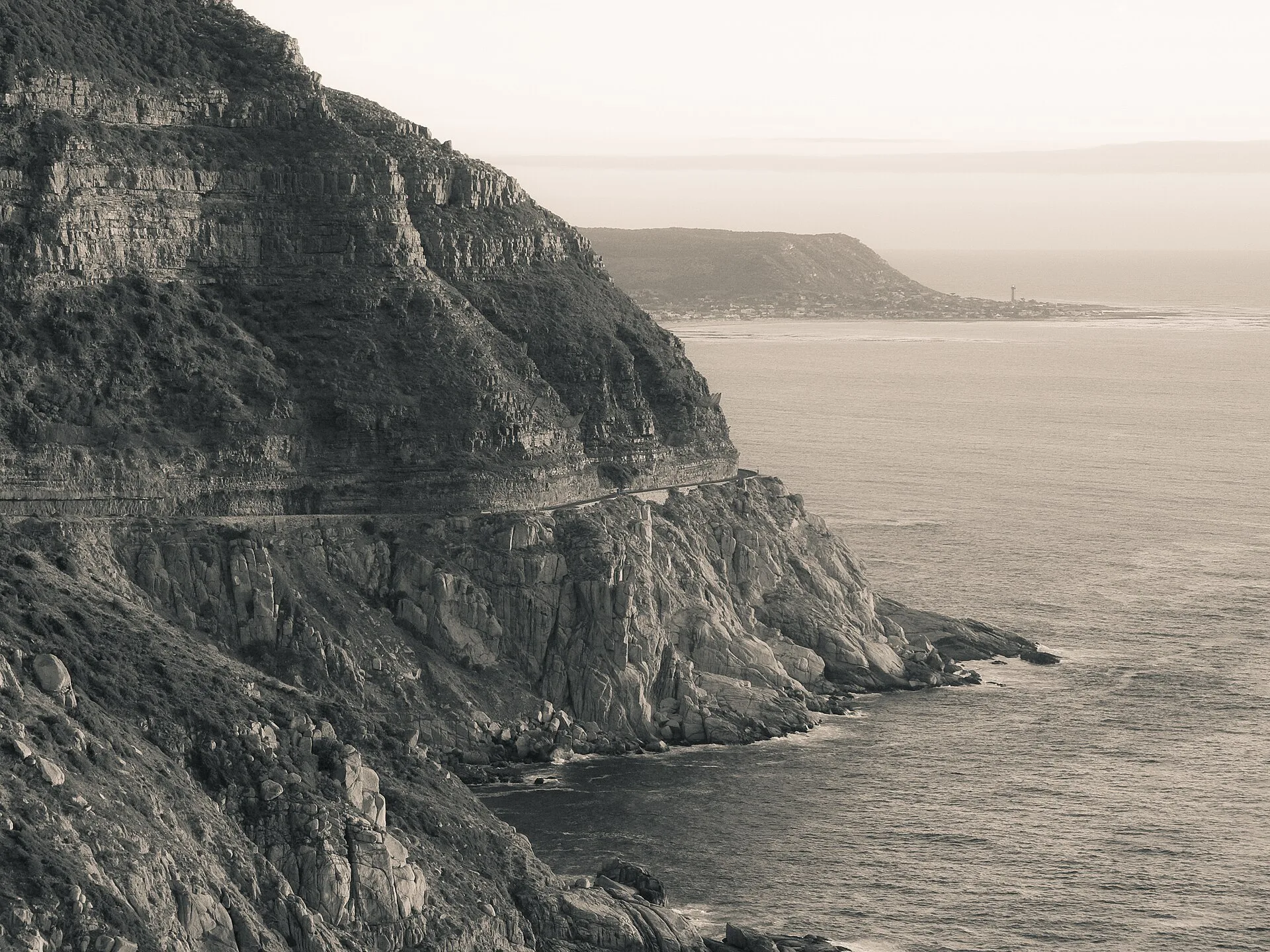
You do not come for the airport.
Chapman’s Peak Drive, forty minutes from the Cape Town runway. But which runway you land on decides more about the trip than the flight does, which is why this site covers both.
Photo: Mwgielink, Wikimedia Commons (CC BY-SA 3.0)

The whole network
Every airport, by the numbers
The nine airports that file monthly returns, ordered by passengers carried in the last full financial year. Lanseria and Kruger Mpumalanga are privately run and publish nothing comparable, so they are not here.
Airport index
FY2025/26 · source: ACSA
| Code | Airport | City | Passengers |
|---|---|---|---|
| JNB | O. R. Tambo | Johannesburg | 20,083,399 |
| CPT | Cape Town | Cape Town | 11,333,736 |
| DUR | King Shaka | Durban | 5,616,199 |
| PLZ | Chief Dawid Stuurman | Gqeberha | 1,586,070 |
| GRJ | George | George | 939,332 |
| ELS | King Phalo | East London | 911,738 |
| BFN | Bram Fischer | Bloemfontein | 431,359 |
| KIM | Kimberley | Kimberley | 170,738 |
| UTN | Upington | Upington | 62,653 |
| HLA | Lanseria | Johannesburg | — |
| MQP | Kruger Mpumalanga | Mbombela | — |
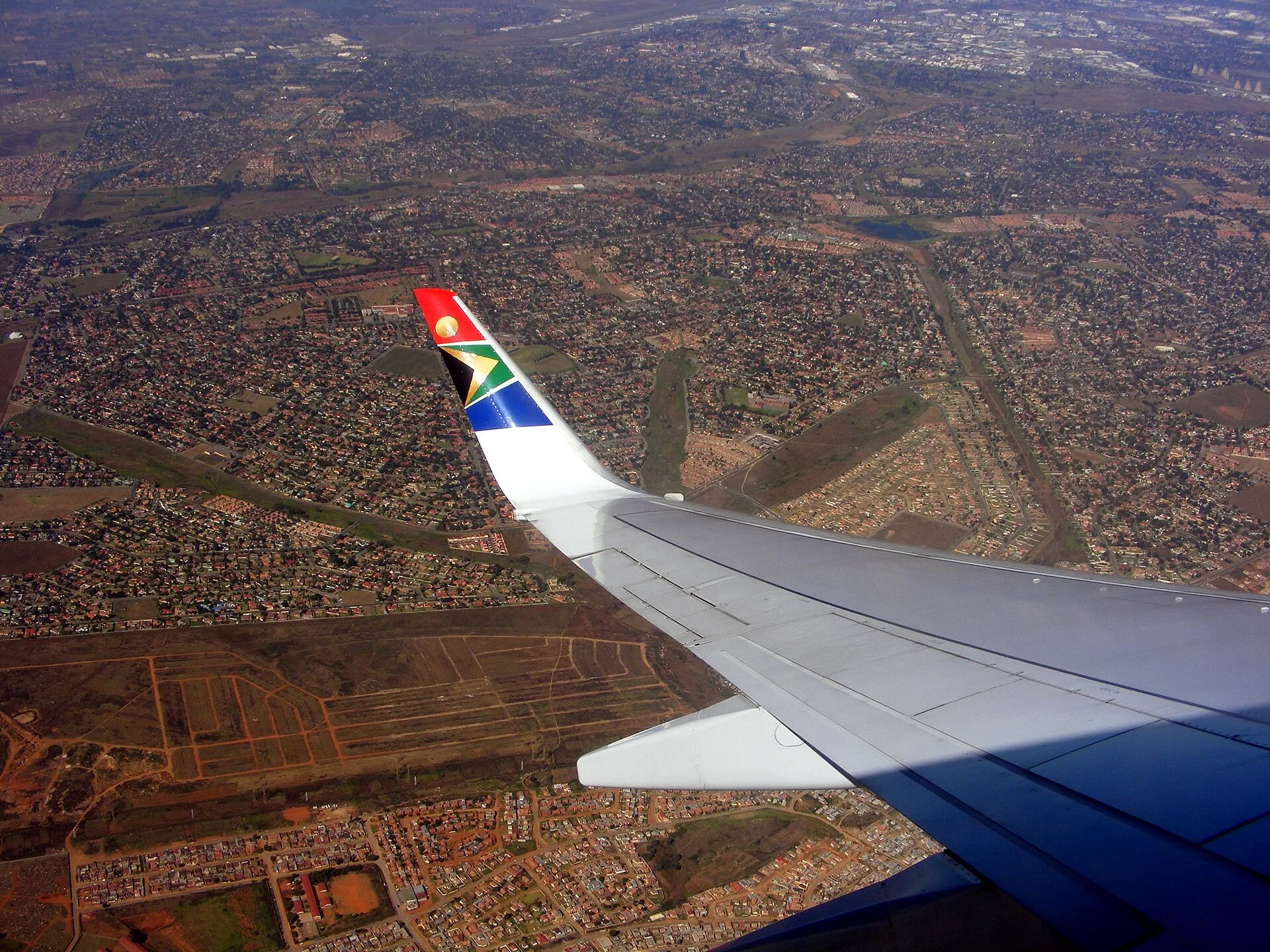
Three airports carry nine in ten passengers.
O. R. Tambo, Cape Town and King Shaka between them moved 37 million of the network’s 41.1 million passengers last year. Everywhere else is a connection.
Photo: fading, Wikimedia Commons (CC BY-SA 3.0)

03 Passenger numbers
Flying in
Only three South African airports see international passengers
This is the single most useful thing to understand about the network, and almost nobody states it plainly. In the 2025/26 financial year, scheduled international traffic was recorded at exactly three of the nine state-operated airports.
In practice that means a long-haul arrival reaches the Garden Route, the Eastern Cape or the Free State on a domestic connection through Johannesburg or Cape Town. Budget for it, and for the bag re-check that sometimes comes with it.
Total passengers, FY2025/26. Source: ACSA monthly passenger movements. How we check these.
Photo: fading, Wikimedia Commons (CC BY-SA 3.0)

04 When to go
South Africa has no dead season
Europe’s airports empty out in winter. South Africa’s do not. Across the whole state-operated network the busiest month of 2025/26 was only 33 per cent busier than the quietest — and that single fact changes how you should think about fares, queues and availability here.
June is the quietest month, and the best for wildlife
3,008,907 passengers
It falls in the South African school term, well before the July holidays, and it is when the Kruger is at its best: thin bush, animals concentrated at water. Quiet airports and good game viewing in the same month is an unusual combination.
October is the second-busiest month of the year
+9.6% on the average
Ahead of January and every winter month. Spring in the Cape, the start of the northern-hemisphere escape season and a long conference calendar all land together. Almost nobody books around it.
The international curve is far steeper than the domestic one
43% swing
International traffic runs from 827,033 in June to 1,181,959 in December, a much sharper peak than the 33 per cent the network shows overall. It is the long-haul arrivals that are seasonal here, not South Africans flying at home.
One note on the December figure. Our own compilation gives 4,013,840 passengers for the month; the figure ACSA announced publicly was 4,013,823. The seventeen-passenger gap is what a later revision to a monthly return looks like, and we would rather show you both numbers than quietly pick one.
05 Where the airports take you
An airport is the first ten minutes of a trip
Which runway you land on decides a great deal about the rest of the journey. These are the eight places most visitors are actually heading for, and the airport each one belongs to.
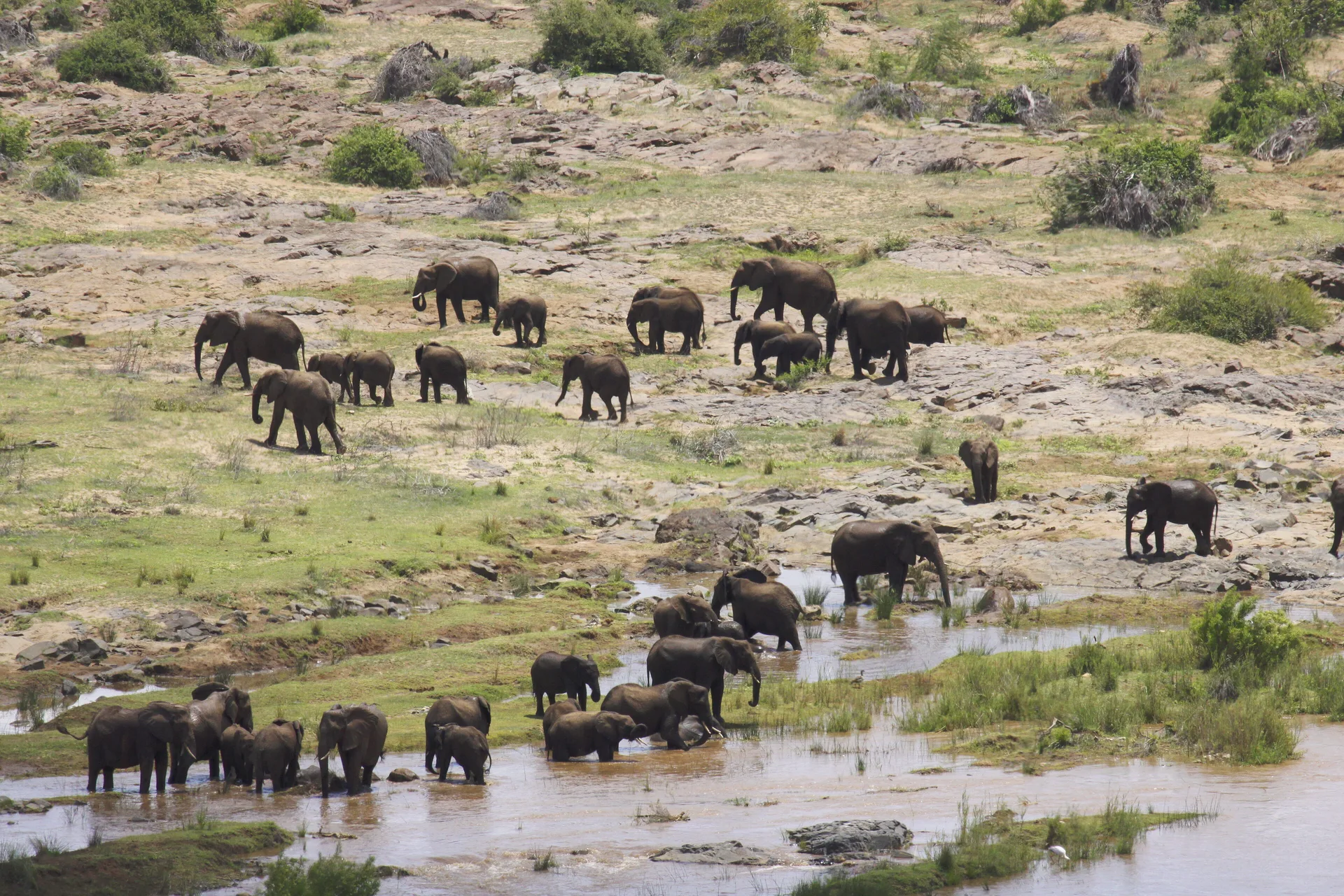
Mpumalanga & Limpopo
The Kruger National Park
Two million hectares of bushveld with three airports on its doorstep: Kruger Mpumalanga for the southern gates, Skukuza inside the park, Hoedspruit for the central camps.
Fly to MQP · SZK · HDS
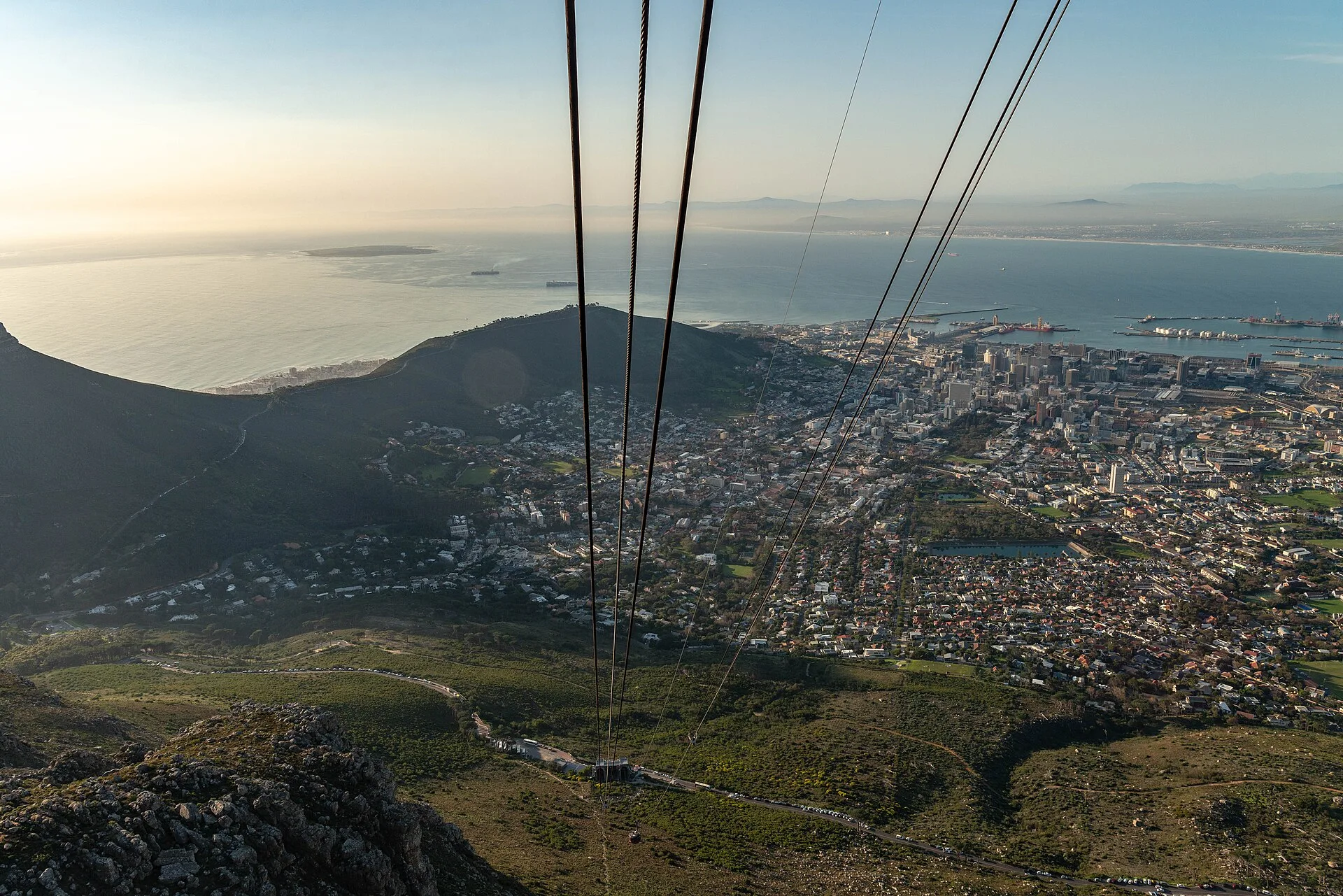
Western Cape
Cape Town and Table Mountain
The city bowl, the Atlantic seaboard and the cableway, half an hour from a terminal that handled more than eleven million passengers last year.
Fly to CPT
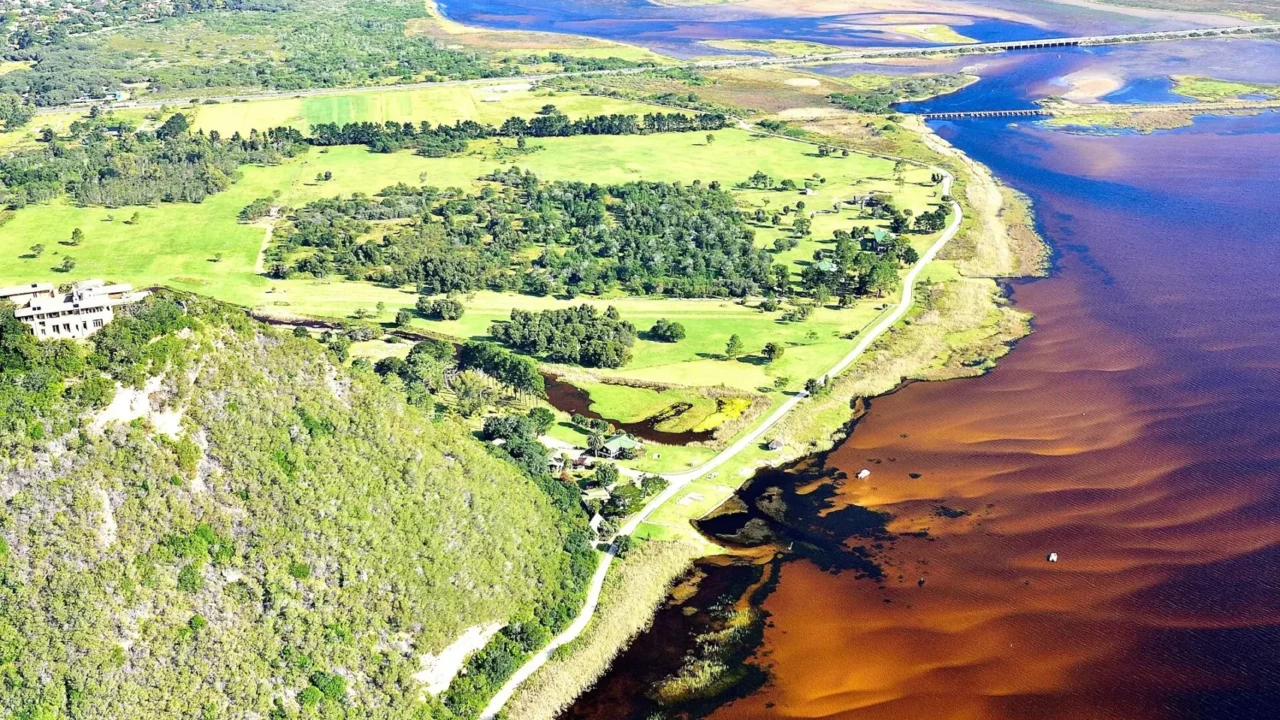
Western & Eastern Cape
The Garden Route
Knysna, Plettenberg Bay and the Tsitsikamma, reached through George — the fastest-growing airport in the country.
Fly to GRJ
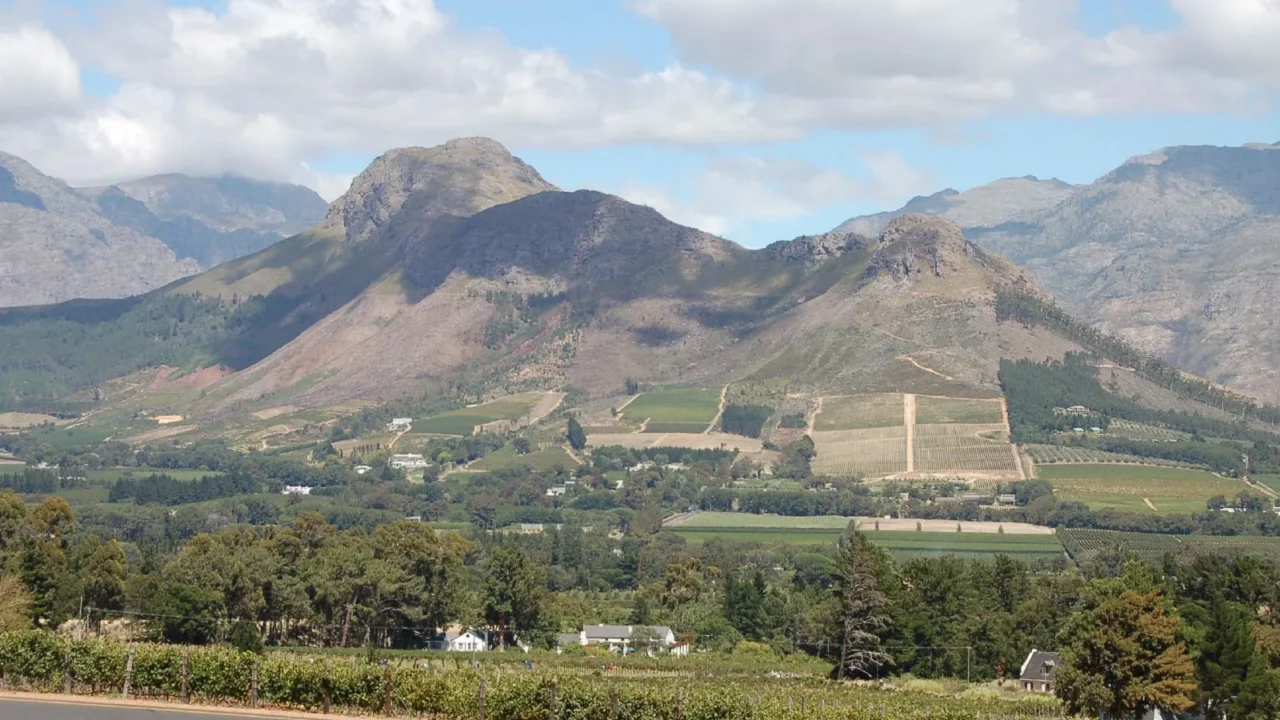
Western Cape
The Cape Winelands
Stellenbosch, Franschhoek and Paarl: forty minutes from the Cape Town runway and a different world from it.
Fly to CPT
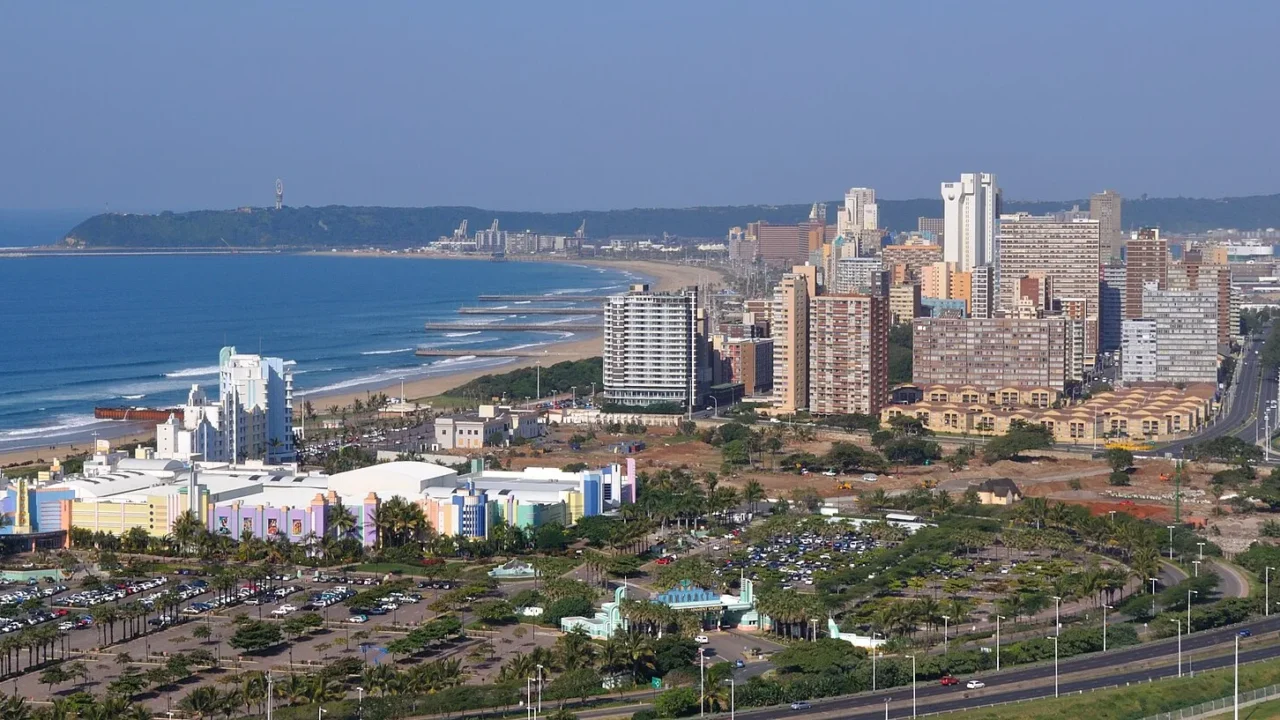
KwaZulu-Natal
Durban and the KZN coast
Warm water all year, the Golden Mile, and the Drakensberg three hours inland.
Fly to DUR
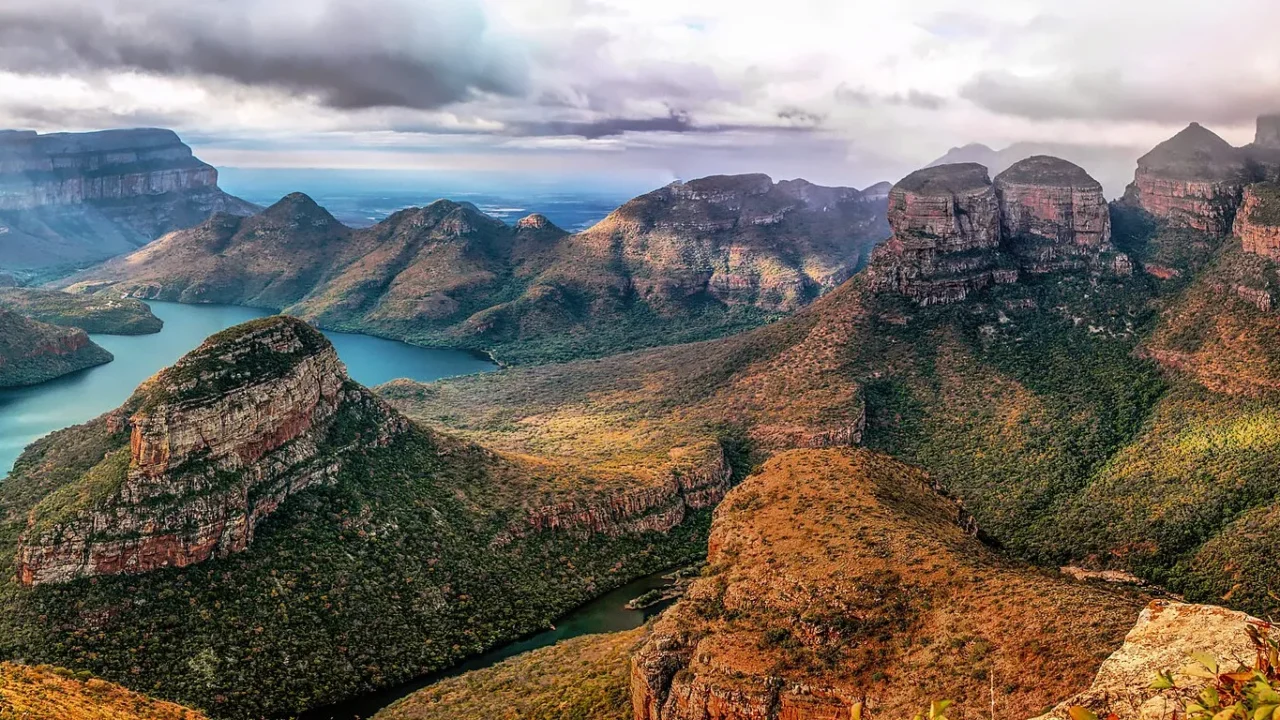
Mpumalanga
The Panorama Route
The Blyde River Canyon, God's Window and the escarpment, on the road between Johannesburg and the Kruger.
Fly to MQP · JNB
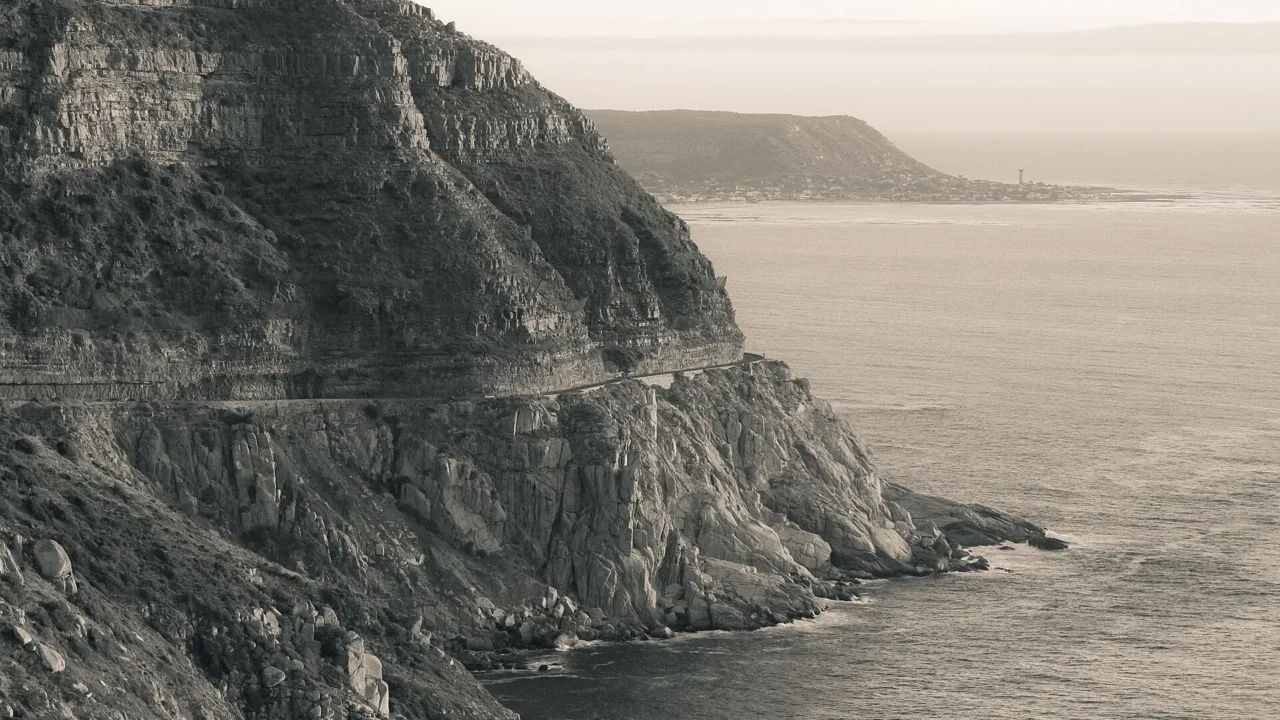
Western Cape
The Cape Peninsula
Chapman's Peak, Boulders and Cape Point: a day south of the runway, and the only place on earth where you share a beach with African penguins.
Fly to CPT
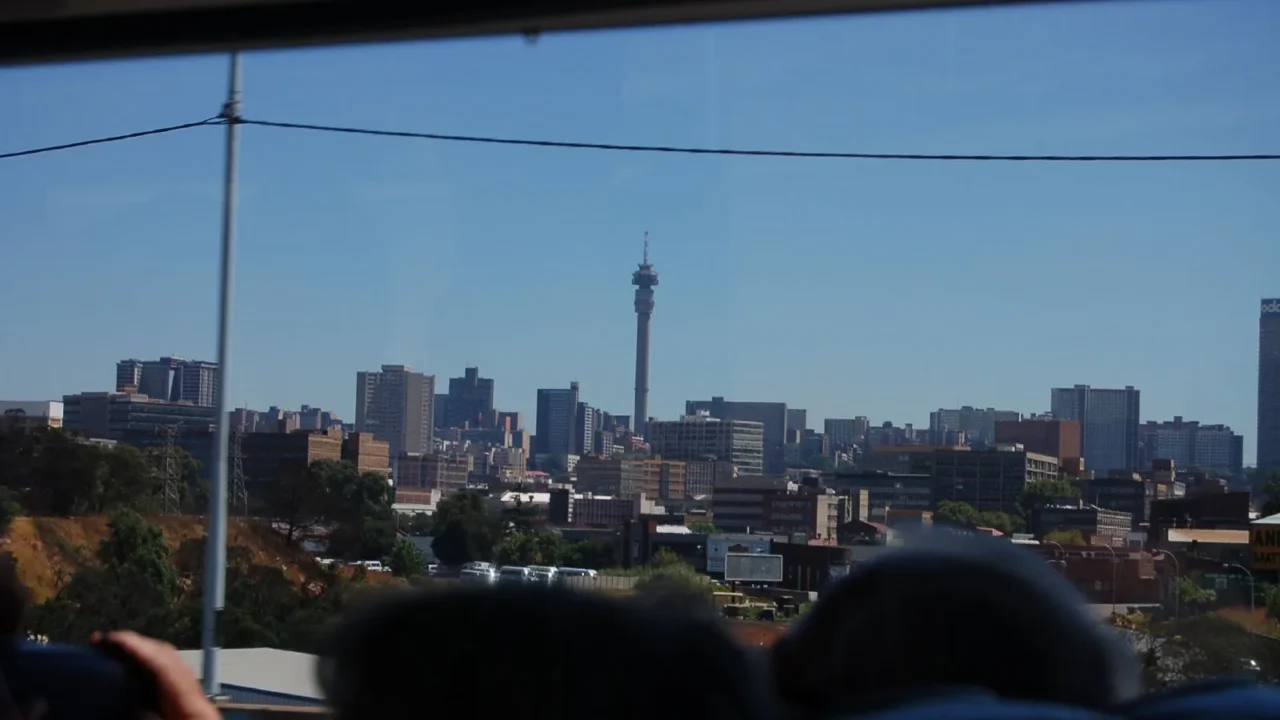
Gauteng
Johannesburg and Pretoria
The economic engine of the continent, and the one city where the airport train actually works.
Fly to JNB · HLA
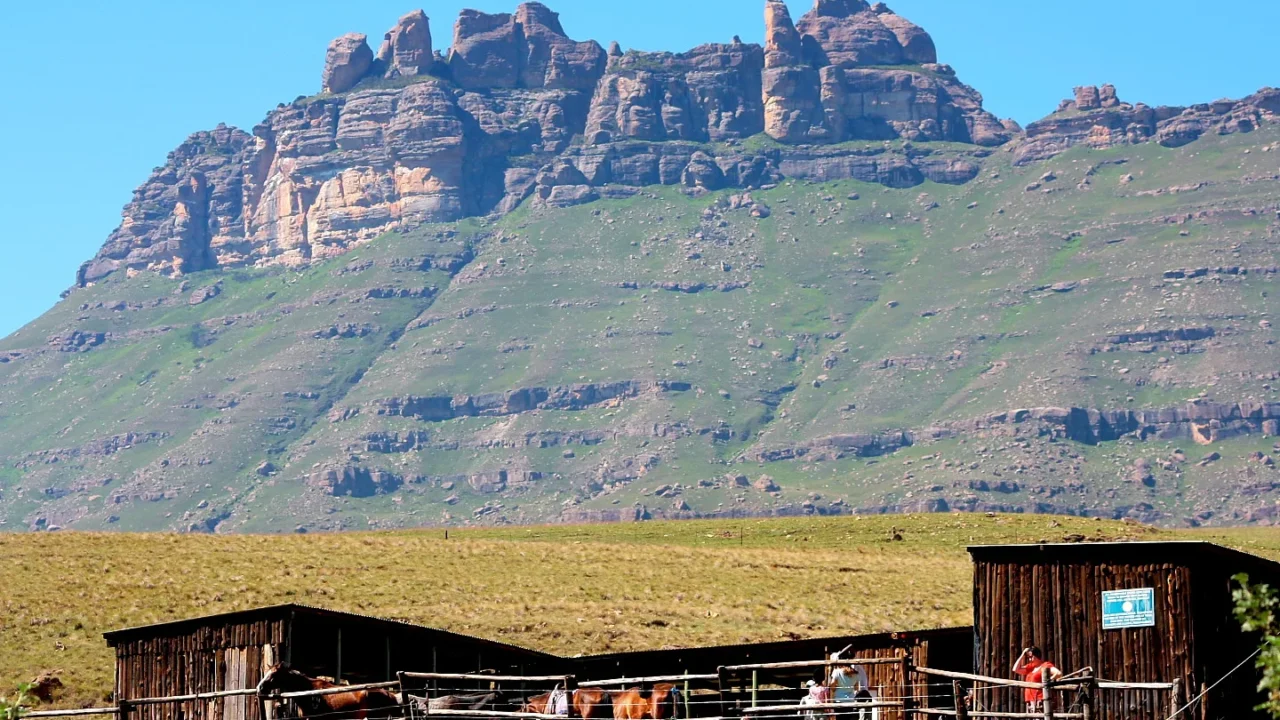
KwaZulu-Natal & Free State
The Drakensberg
The highest range in southern Africa, three hours inland from Durban and a different climate from the coast below it.
Fly to DUR · BFN
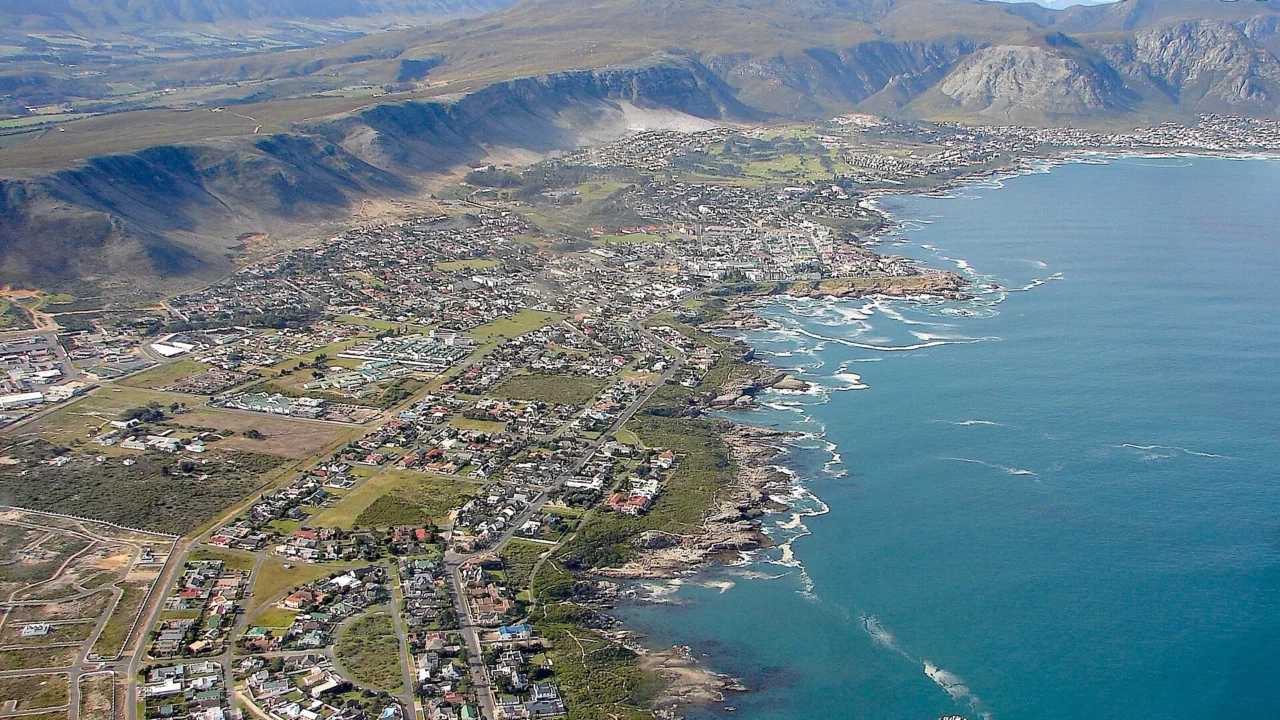
Western Cape
Hermanus and Walker Bay
Southern right whales come into the bay between June and November, close enough to watch from the cliff path.
Fly to CPT
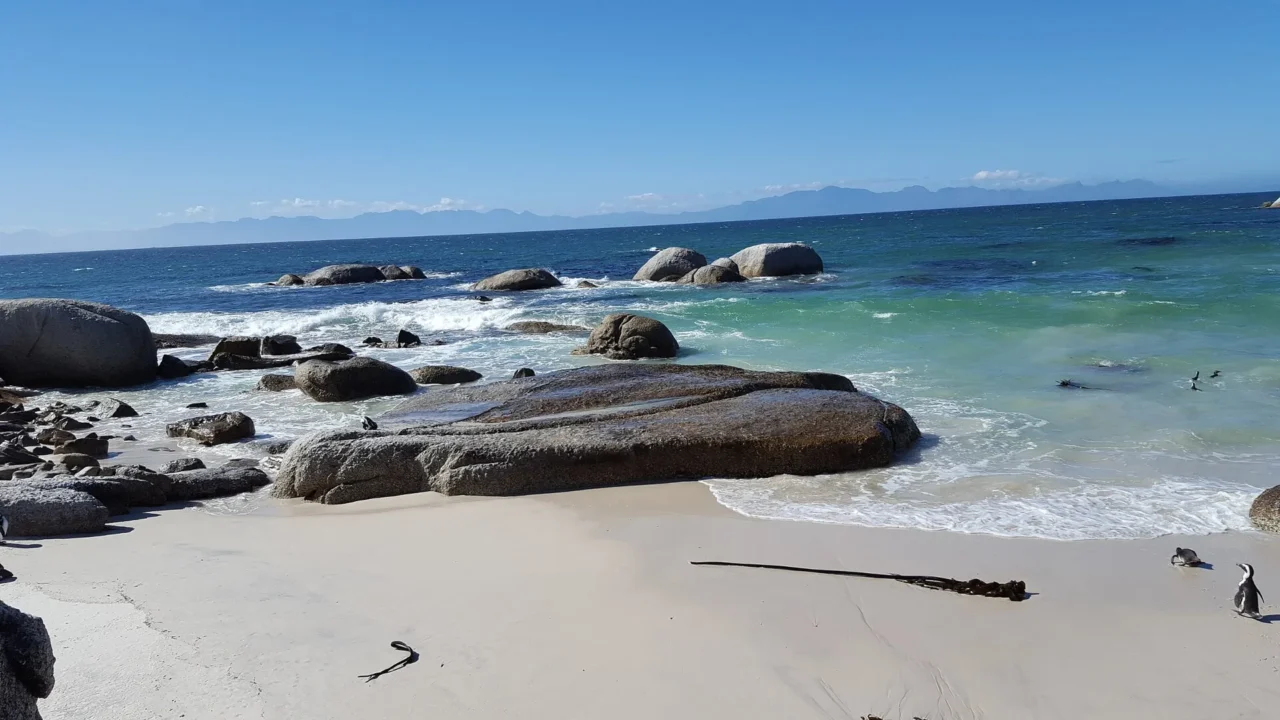
Western Cape
Simon’s Town and Boulders
Granite boulders, clear water and a colony of African penguins on a False Bay beach.
Fly to CPT
All twenty-two
The other thirteen airports
Nine airports file monthly returns. Thirteen more have an IATA code and scheduled passenger flights, and several matter a great deal to the traveller even though they move comparatively few people — Skukuza is inside the Kruger National Park, Hoedspruit serves the private reserves, and Lanseria is a serious alternative to O. R. Tambo for anyone staying north of Johannesburg.
| IATA | ICAO | Airport | City | Province | Operator |
|---|---|---|---|---|---|
| JNB | FAOR | O. R. Tambo International | Johannesburg | Gauteng | ACSA |
| CPT | FACT | Cape Town International | Cape Town | Western Cape | ACSA |
| DUR | FALE | King Shaka International | Durban | KwaZulu-Natal | ACSA |
| PLZ | FAPE | Chief Dawid Stuurman International | Gqeberha | Eastern Cape | ACSA |
| GRJ | FAGG | George | George | Western Cape | ACSA |
| ELS | FAEL | King Phalo | East London | Eastern Cape | ACSA |
| BFN | FABL | Bram Fischer International | Bloemfontein | Free State | ACSA |
| KIM | FAKM | Kimberley | Kimberley | Northern Cape | ACSA |
| UTN | FAUP | Upington International | Upington | Northern Cape | ACSA |
| HLA | FALA | Lanseria International | Johannesburg | Gauteng | Private |
| MQP | FAKN | Kruger Mpumalanga International | Mbombela | Mpumalanga | Private |
| SZK | FASZ | Skukuza | Skukuza, Kruger National Park | Mpumalanga | SANParks |
| HDS | FAHT | Eastgate | Hoedspruit | Limpopo | Other |
| PHW | FAPH | Hendrik Van Eck | Phalaborwa | Limpopo | Other |
| PTG | FAPP | Polokwane International | Polokwane | Limpopo | Other |
| UTT | FAUT | K. D. Matanzima | Mthatha | Eastern Cape | Other |
| PZB | FAPM | Pietermaritzburg | Pietermaritzburg | KwaZulu-Natal | Other |
| RCB | FARB | Richards Bay | Richards Bay | KwaZulu-Natal | Other |
| MGH | FAMG | Margate | Margate | KwaZulu-Natal | Other |
| MZQ | FAMU | Mkuze | Mkuze | KwaZulu-Natal | Other |
| MBD | FAMM | George Dick Montshioa | Mahikeng | North West | Other |
| SIS | FASS | Sishen | Sishen | Northern Cape | Other |
06 Questions
How many airports does South Africa have?
Twenty-two airports have an IATA code and scheduled passenger flights. Nine of them are run by Airports Company South Africa and file monthly passenger returns; the rest are operated privately, by provincial authorities or, in the case of Skukuza, by SANParks inside the Kruger National Park.
Which is the busiest airport in South Africa?
O. R. Tambo International in Johannesburg, by a wide margin. It handled 20,083,399 passengers in FY2025/26 — roughly as many as Cape Town and King Shaka combined — and it is the busiest airport on the African continent.
Which South African airports have international flights?
Only three of the nine state-operated airports carried international passengers in FY2025/26: O. R. Tambo, Cape Town and King Shaka. Chief Dawid Stuurman in Gqeberha recorded 70 international passengers for the entire year, and the other five recorded none at all. If your flight is intercontinental, you are landing in Johannesburg or Cape Town.
Do I need a visa to visit South Africa?
Citizens of around 75 countries, including the United Kingdom, the United States, Canada, Australia, Japan and most of the European Union, may enter visa-free for up to 90 days. Everyone needs a passport valid for 30 days beyond their departure date with at least two blank facing pages. Check the Department of Home Affairs list for your nationality before booking.
What can I bring into South Africa duty-free?
Goods to the value of R5,000, plus 2 litres of wine, 1 litre in total of spirits and other alcohol, 200 cigarettes and 20 cigars and 250 g of tobacco, 50 ml of perfume and 250 ml of eau de toilette. The tobacco limits are separate allowances, not alternatives. The goods allowance can be claimed once in any thirty days, and not after an absence of under forty-eight hours.
Is there a train from the airport into the city?
At one airport only. The Gautrain runs from O. R. Tambo to Sandton in about fifteen minutes, continuing to Rosebank, Midrand, Centurion, Pretoria and Hatfield. Cape Town, Durban and every other South African airport have no rail link: it is a shuttle, a metered taxi from the official rank, or an e-hailing app.
How long should I allow to connect at O. R. Tambo?
International to international, within Terminal A, ninety minutes is workable and two hours comfortable. International to domestic means clearing immigration and customs, collecting your bag and checking it in again in Terminal B, an eight-to-ten minute walk away — allow two hours, and treat sixty minutes as a missed connection.
When is the best time to fly to South Africa?
There is no month when the airports empty out. December is the busiest at 4,013,840 passengers and June the quietest at 3,008,907 — a spread of only 33 per cent across the whole network. June is quiet at the airports and excellent in the Kruger, which is an unusually good combination. October is the second-busiest month of the year, which surprises most people.
What are the liquid rules at South African airports?
The standard international rule: containers of no more than 100 ml, in one transparent resealable bag of about a litre, one bag per passenger. Laptops and large electronics come out of your bag at every South African airport — the scanners that let you leave them in are not in general use here.
Is the Wi-Fi free, and what plug do I need?
The ACSA airports give you free Wi-Fi with a data cap rather than a time limit. Bring an adapter: South Africa uses the large three-pin Type M socket, which almost no other country uses, at 230 V and 50 Hz. Newer buildings add Type C and the slim Type N, but the terminals are not consistent.
Can I store luggage at a South African airport?
At O. R. Tambo and Cape Town, yes — both landside, charged per item per day. Everywhere else, effectively no. If a bag you checked has not arrived, the claim is with the airline and must be filed before you leave the baggage hall; items left in the terminal itself go to the airport lost-property office, which is a separate department.
Where do your passenger numbers come from?
From the monthly passenger-movement statements Airports Company South Africa publishes for each of its nine airports, split by international, regional, domestic and unscheduled traffic. We parse every month of every financial year and check that the four categories add up to the printed total before we publish anything. Lanseria and Kruger Mpumalanga are privately run and file no public monthly returns, so we leave those cells empty rather than estimate.
07 Why you can trust these figures
We read the filings, we do not quote the headlines
Airports Company South Africa publishes a passenger-movement statement for each of the nine airports it operates, updated monthly, going back to the 2012/13 financial year. Each one breaks traffic into international, regional, domestic and unscheduled, split between arrivals and departures. It is far more detailed than anything that reaches the news, and it is where the news figures ultimately come from.
Primary filings only
Passenger numbers come from the operator's own monthly statements, not from press releases or aggregators.
Reconciled before publishing
International plus regional plus domestic plus unscheduled must equal the printed total, to the passenger, or we do not publish.
Dated, not undated
Every figure carries the period it covers. A number without a date is an opinion.
Gaps left visible
Lanseria and Kruger Mpumalanga file nothing publicly, so those cells stay empty. We do not estimate and call it data.
Read the full sourcing note, which shows the reconciliation for every airport and lists every other source we use.